
Buying your first home in Norfolk under $350K can be realistic with the right preparation, quick decision-making, and a clear understanding of what matters most in your search. This guide breaks the process into practical moves that help you compare neighborhoods, financing, repairs, and competition without feeling overwhelmed. If you want to shop smarter instead of just faster, these seven steps can help you keep your budget and your options aligned.
Start With a Payment Range, Not Just a Price Cap
A lot of first-time buyers begin with a round number like $350,000 and assume that is the full story. In practice, the more useful starting point is your monthly comfort zone. Mortgage principal and interest matter, but so do property taxes, insurance, possible HOA dues, utilities, and the cash you want to keep available after closing. A home at the top of your price range can still feel manageable if the total monthly cost fits your budget, while a lower-priced home can feel tighter if repairs or fees stack up quickly.
That is why one of the smartest early moves is to talk with a lender before touring too many properties. A pre-approval letter gives you a clearer target and shows sellers you are serious. It also helps you understand how interest rates, down payment choices, and closing costs affect your buying power. In a price-sensitive range like this one, small shifts in financing can change which homes stay realistic.
It also helps to separate your budget into three buckets: down payment, closing costs, and reserves for move-in items. Paint, appliances, small repairs, and basic maintenance supplies add up fast in the first few months. Leaving room for those expenses can keep your purchase from feeling stretched the moment you get the keys.
A strong first-time buyer strategy usually includes a firm monthly budget plus a cash buffer for the first 60 to 90 days after closing. That extra cushion can make decision-making easier when inspection items come up.
Learn the Difference Between “Needs Work” and “Good Value”
In Norfolk, homes under $350K can vary widely in age, updates, lot size, and condition. Some listings are move-in ready with refreshed kitchens and newer systems, while others offer more square footage but need roofing, plumbing, electrical, or cosmetic work. For first-time buyers, the key is knowing which issues are manageable and which ones can strain your finances or timeline.
Cosmetic imperfections often look scarier online than they feel in person. Dated flooring, older paint colors, and worn fixtures can usually be improved over time. By contrast, foundation concerns, water intrusion, aging HVAC equipment, or deferred exterior maintenance deserve closer review. A lower list price does not automatically equal better value if major systems are near the end of their useful life.
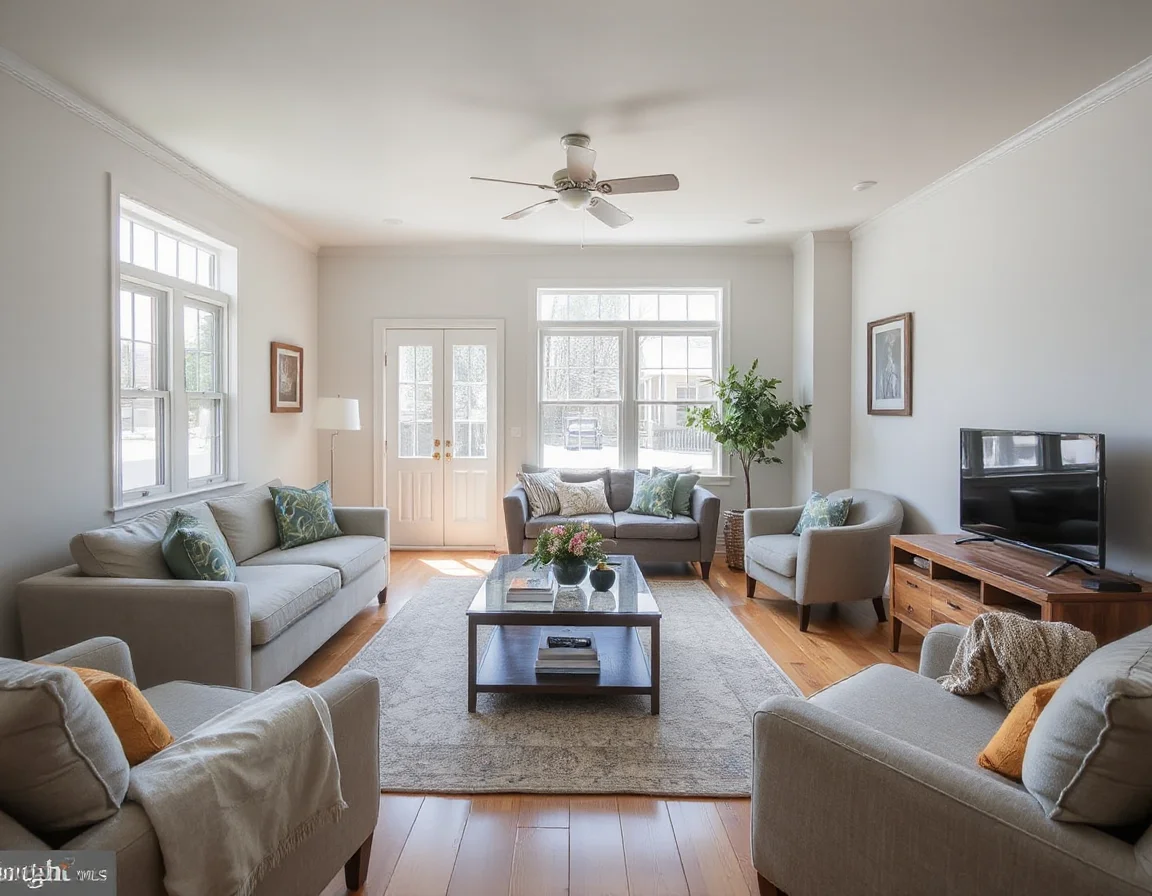
This is where a focused showing strategy pays off. Instead of looking at every available option, compare homes based on layout, condition, and likely near-term expenses. A home with a practical floor plan and solid mechanicals may be the better buy even if another listing appears more polished in photos. Looking beyond staging helps you spot the difference between lasting value and surface-level updates.
Inspection contingencies matter here too. Even in a competitive market, first-time buyers benefit from understanding the property’s condition before making final commitments. That does not mean every inspection issue is a deal breaker. It means you can move forward with better information and a plan for what comes next.
Focus Your Search on Daily Convenience
Price is important, but so is how a home functions with your regular routine. One of the smartest ways to narrow the search is to think about daily convenience: commute patterns, access to major roads, nearby parks, grocery options, medical services, waterfront areas, and the places you visit most often during a normal week. A home that supports your schedule can feel like a stronger fit long after the excitement of closing day fades.
Norfolk offers a range of housing styles and settings, from established residential blocks to areas closer to waterfront amenities, local gathering spots, and major employment centers. That variety is useful for buyers shopping under a set budget because tradeoffs are easier to identify when you compare homes by location and functionality rather than only by square footage.
If two homes are similarly priced, the one that cuts regular driving time or reduces near-term maintenance may offer better long-term value than the one with a slightly larger footprint.
Another practical move is to keep a written ranking of your top five priorities. That might include off-street parking, a fenced yard, a one-level layout, extra storage, a shorter commute, or room for a home office. When a new listing hits the market, that list helps you evaluate it quickly and consistently instead of getting pulled around by every fresh photo set.
Be Ready to Move Quickly, but Keep Your Standards Clear
Homes in an approachable price range often attract strong attention because they appeal to a wide cross-section of buyers. That means your decision process should be prepared before the right property appears. Touring homes is only part of the work. The real advantage comes from already knowing your financing range, must-have features, acceptable repair level, and ideal closing timeline.
Speed matters, but clarity matters more. A rushed offer without a plan can create stress later, especially if inspection findings, appraisal questions, or insurance details surface. First-time buyers do best when they can act decisively because the groundwork is already done. That includes having documents ready, understanding how earnest money works, and knowing which terms you are comfortable adjusting if competition increases.

It can also help to review recent comparable sales with your agent so that you recognize realistic pricing when you see it. A home listed at $339K may still attract offers above list if condition and location line up well. On the other hand, a property that has been sitting longer may offer more room for negotiation. Reading that difference accurately is one of the biggest advantages of local market guidance.
Own Real Estate and Ashley Best Pszczola bring a local Hampton Roads focus to that process, which matters when neighborhoods, housing stock, and pricing trends can shift from one part of the city to another. For a first-time buyer, having current context can reduce second-guessing and help you make cleaner decisions.
Use the Offer Period to Protect Both Budget and Flexibility
Once you find the right home, your offer should do two jobs at once: make you competitive and protect your financial boundaries. That can mean balancing price with other terms like inspection windows, closing dates, or seller concessions. Not every strong offer is simply the highest number. Sometimes the most effective offer is the one that solves the seller’s timing needs while staying grounded in your budget.
First-time buyers should also pay close attention to how much cash they will need before closing. Appraisal gaps, repair negotiations, and lender requirements can affect the final numbers. Asking clear questions before submitting an offer can prevent surprises later. You do not need to know everything at once, but you do want to understand which terms are flexible and which ones are not.
If a home does not work out, resist the urge to immediately widen your standards beyond recognition. Staying focused is often smarter than chasing every new listing. The right fit is usually the result of disciplined choices repeated over several showings, not one dramatic leap outside your plan.
Talk through your first-home plan
Think Past Closing Day
The final smart move is to buy with the next few years in mind. A first home does not need to solve every future need, but it should support how you expect to live in the near term. Consider storage, maintenance demands, parking, layout flexibility, and how comfortable you are handling updates over time. A property that works well for your routine now and still feels practical a few years from today can make ownership more rewarding.
Buying under $350K in Norfolk is not about finding a perfect home with zero compromises. It is about recognizing the right tradeoffs, preparing your finances carefully, and staying steady when good opportunities appear. With a clear budget, realistic expectations, and local guidance, first-time buyers can compete thoughtfully and choose a home that supports both daily life and long-term goals.