
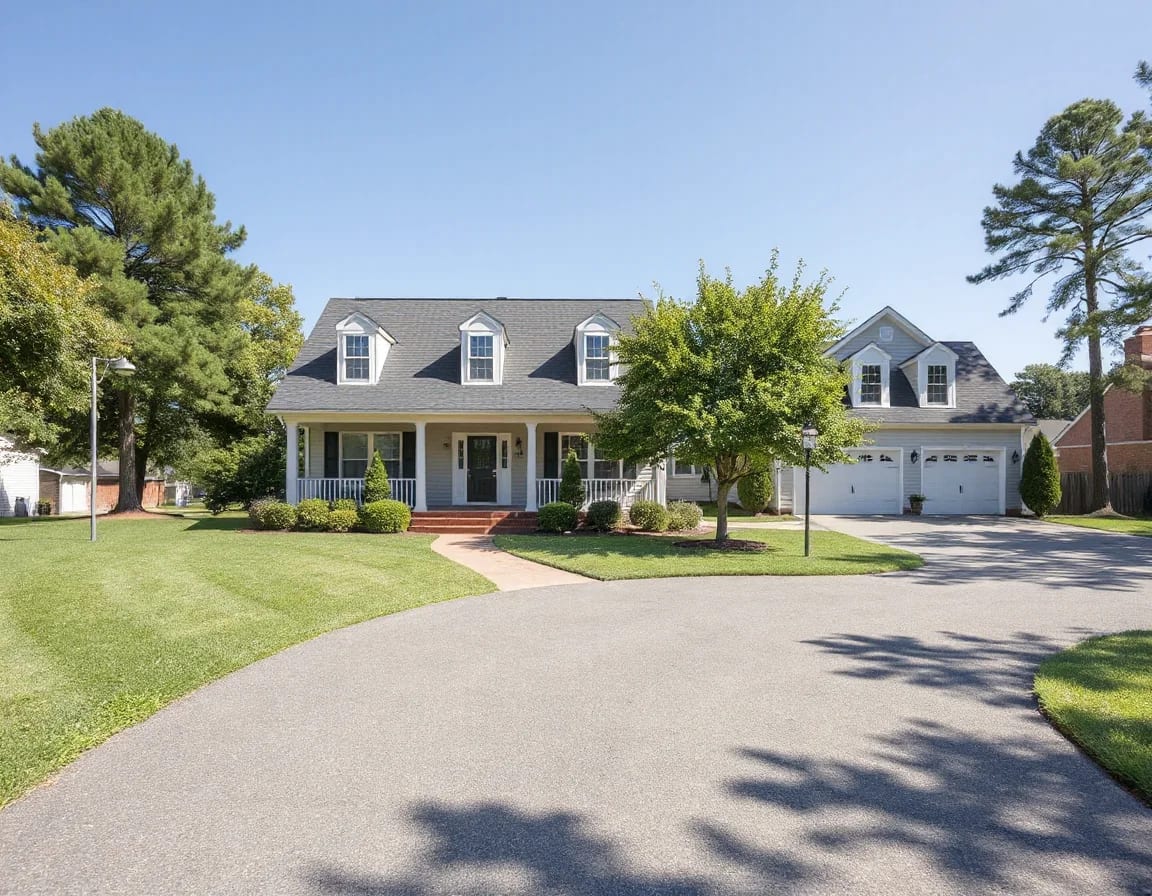
Space is one of the biggest priorities for many Suffolk buyers, but “more square footage” is only part of the story. The homes that stand out are the ones that clearly show how extra rooms, storage, outdoor areas, and flexible layouts can work in everyday life. A thoughtful prep plan can make a home feel more open, more functional, and easier for buyers to picture from the moment they walk in.
Start by Defining What “More Space” Really Means
When buyers say they want more room, they are usually responding to a lifestyle need rather than a number on a listing sheet. In Suffolk, that can mean a larger lot, an extra bedroom, a dedicated office, a bonus room, wider living areas, a more useful garage, or simply better storage throughout the house. Preparing your home well starts with identifying which of those features your property already offers and making them obvious at first glance.
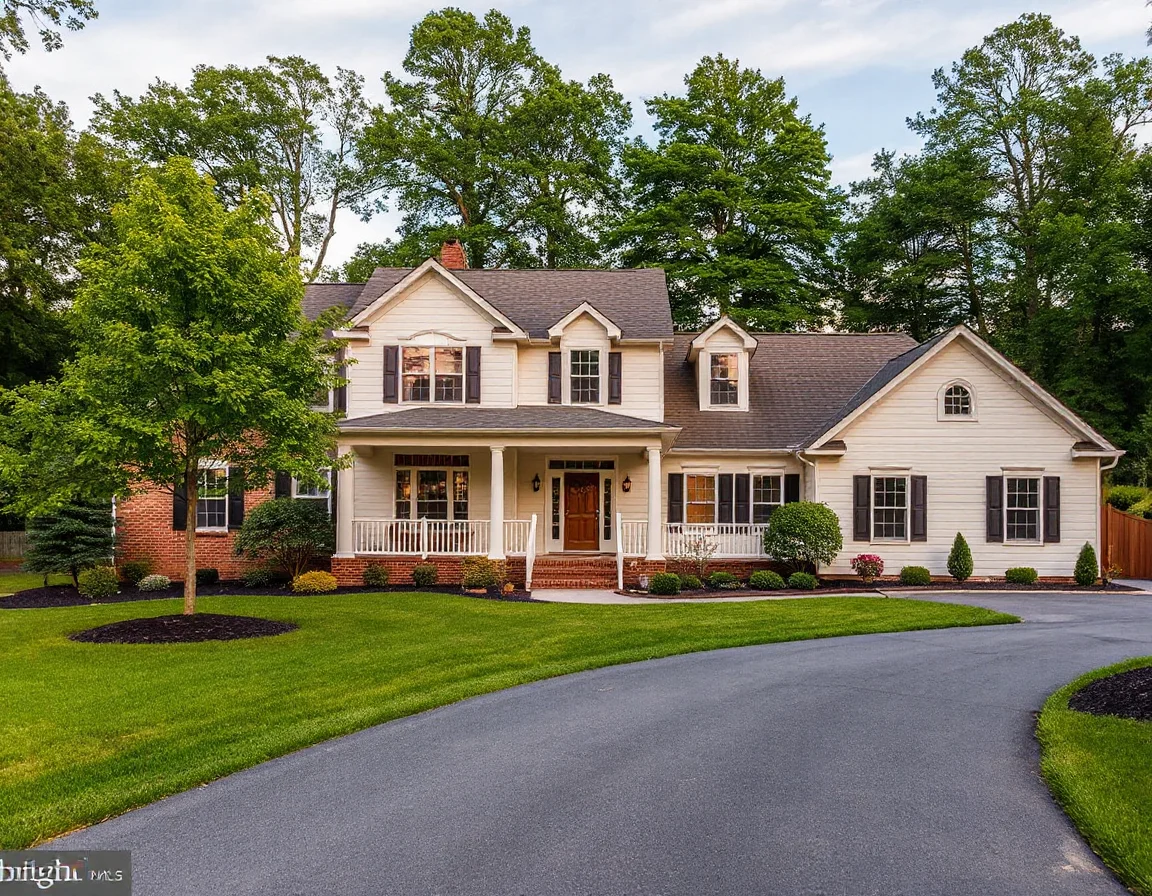
A good first step is to walk through the home as if you were seeing it online for the first time. Does each room have a clear purpose? Do larger spaces feel open, or do they read as cluttered? Is the dining area visibly separate from the living area? Does the bonus room look useful, or like a catch-all storage zone? Buyers tend to respond best when rooms answer practical questions before they ask them.
That means every area should support a clean, believable use. A spare room can become a home office with a desk and lamp. A loft can read as a media or reading area with simple seating. A wide landing or nook can become a compact workspace instead of an awkward empty patch. The goal is not to overstage. It is to remove uncertainty and show function.
If a room could serve more than one purpose, choose the use that photographs best and feels easiest to understand in person. Clear function often makes a home feel larger than an empty room with no visual anchor.
Edit Furniture and Belongings to Let the Floor Plan Breathe
One of the most effective ways to prepare a Suffolk home for buyers focused on space is also one of the simplest: remove more than you think you need to. Large homes can still feel crowded if furniture blocks pathways, corners are overfilled, and closets are packed tight. Buyers notice circulation just as quickly as square footage, and a smooth path through the house makes rooms feel more generous.
In living rooms, that may mean removing an extra side chair, slimming down end tables, or repositioning a sectional so the room feels balanced instead of packed. In bedrooms, oversized dressers can make even a good-sized room look tighter than it is. Kitchens benefit from nearly clear counters, especially if the room already offers ample cabinet storage. Laundry rooms, mudrooms, and garages also deserve attention, because these utility areas often help buyers gauge whether the house will truly support a more spacious daily routine.
Closets are a major checkpoint. Buyers opening a closet that is packed top to bottom may assume the home lacks storage, even if the square footage says otherwise. Aim to remove enough so shelves, rods, and floor space are visibly available. The same goes for pantry shelving and linen storage. Empty space is part of the product.
Outside, the same logic applies. If your lot is a selling point, make sure buyers can actually see and appreciate it. Trim back overgrown shrubs, define the patio or deck with a simple furniture arrangement, and clear out yard items that distract from usable outdoor square footage. A tidy backyard can strengthen the impression that the property offers room to spread out well beyond the interior walls.
Highlight Flexible Rooms and Secondary Living Areas
Many buyers searching in Suffolk are drawn to homes that offer options. A room that can adapt over time tends to be more appealing than one that feels locked into a narrow use. Bonus rooms, finished rooms over garages, sunrooms, lofts, and basement spaces should be prepared carefully so their versatility reads immediately without feeling vague.
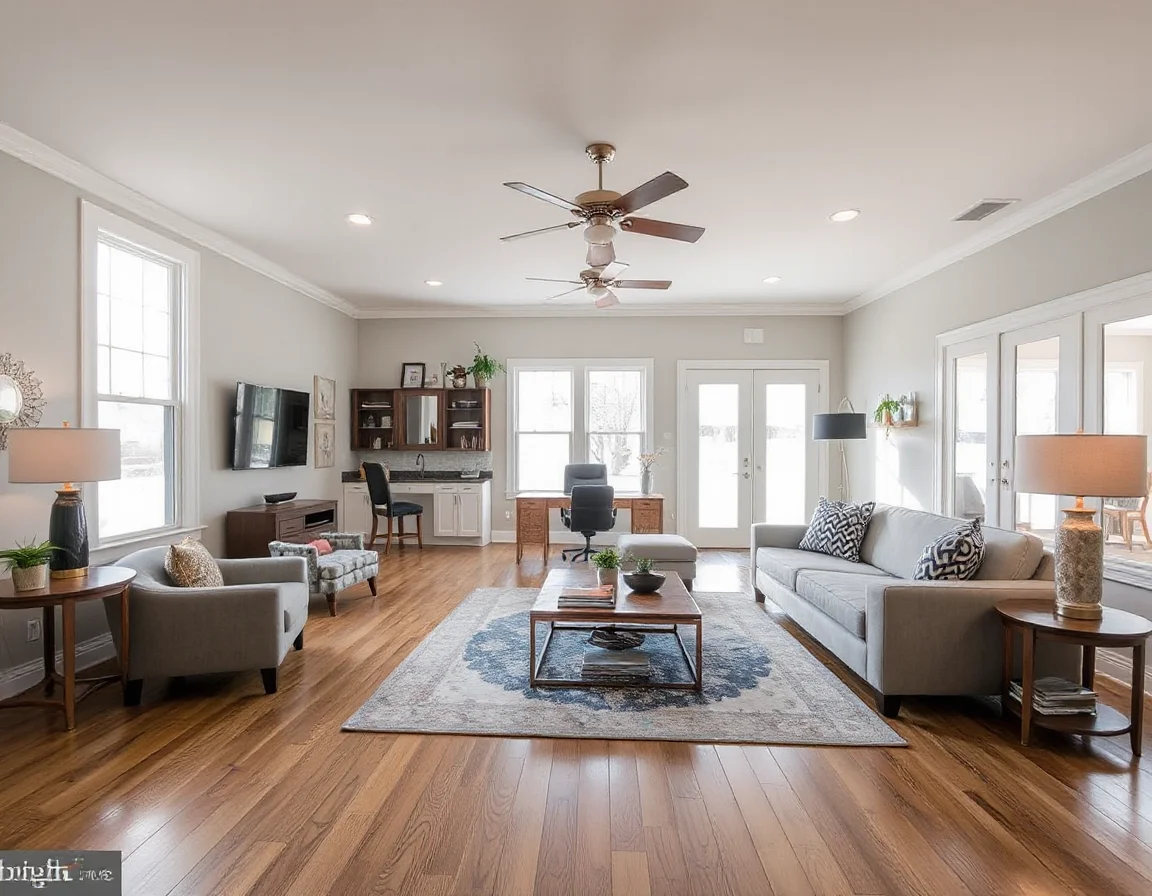
Rather than leaving these spaces empty, give them a strong identity. A finished room over the garage might be staged as a media lounge with two chairs, a lamp, and a compact table. A sunroom may work best with a reading setup or casual sitting area that shows how the space extends the main living zone. A large upstairs landing could benefit from a desk and artwork that signal a useful work-from-home corner.
Flexibility also matters in the primary suite and secondary bedrooms. If the primary bedroom has room for a small seating area, stage it. If a secondary bedroom comfortably holds a bed and desk, show both. These visual cues help buyers understand not just that the home has space, but that it uses space efficiently.
Photos and showings work together here. Wide, uncluttered surfaces, good lighting, and intentional furniture placement can help secondary spaces feel like assets rather than afterthoughts. If a room has unusual dimensions, proper staging can answer the layout question before it becomes an objection.
A bonus room with even minimal staging often performs better than an empty one because buyers can instantly understand scale, traffic flow, and usefulness.
Use Light, Storage, and Maintenance to Support the Spacious Feel
Extra space feels most convincing when the home also feels bright, clean, and easy to maintain. Buyers rarely separate those impressions. A large but dim room may not land as well as a slightly smaller room with great light and a polished presentation. Open curtains, clean windows thoroughly, replace burned-out bulbs, and aim for consistent warm lighting throughout the house.
Maintenance details matter because they influence how buyers interpret the home’s overall utility. If doors stick, trim is scuffed, grout looks worn, or a storage room feels neglected, buyers may wonder what else needs attention. On the other hand, a well-kept home suggests that its extra rooms and extra square footage will be easy to enjoy from day one.
Pay close attention to storage-related features during prep. Built-ins, garage shelving, large vanities, walk-in closets, attic access, and under-stair storage should be clean, organized, and simple to inspect. These are the details that often justify a buyer’s search for “more space,” even if they are not the headline feature in the listing.
If your property includes a large lot, shed, detached garage, or extended driveway, make sure each one appears intentionally maintained. Buyers often think about where tools, equipment, seasonal items, and hobbies will fit. Showing that utility clearly can make the home feel more complete and more capable.
Prepare for Showings with Space in Mind
Once the home is staged and edited, the showing experience should reinforce the same message. Open interior doors where appropriate, keep blinds adjusted for natural light, and make sure key circulation paths are free and easy to navigate. If the home has a strong connection between indoor and outdoor living, that transition should feel seamless. Clean patios, swept walkways, and arranged seating can extend the perceived living area in a powerful way.

It also helps to think beyond the house itself. Buyers considering Suffolk often value the combination of interior room, lot size, and day-to-day practicality. That means details like driveway parking, garage usability, fenced or open yard areas, and storage buildings may play an outsized role in how your property compares with other available homes. The more clearly those features are presented, the stronger your position can be.
Showing prep does not need to feel complicated, but it should feel intentional. Fresh linens, reduced countertop items, neatly arranged closets, and a clean entry can all support the impression that the home offers both breathing room and functionality. These small choices help buyers focus on possibility instead of distractions.
Talk with Ashley about preparing your Suffolk home
In the end, preparing a Suffolk home for buyers seeking more space is about clarity. When your layout is easy to read, your storage is visible, and your flexible areas are thoughtfully staged, buyers can quickly understand the value your property offers. Space is not just measured in square feet. It is felt in how comfortably a home lives, and that feeling can make all the difference when your home hits the market.