

Choosing between Yorktown and Norfolk often comes down to how you want your daily routine to feel, not which place is “better.” One offers a more relaxed, waterfront historic rhythm, while the other brings a denser urban mix of dining, arts, neighborhoods, and commuting options. This guide breaks down the differences so you can compare home styles, amenities, and pace with more clarity before you start your search.
Two Hampton Roads Lifestyles, Two Very Different Daily Rhythms
When people compare Yorktown and Norfolk, they are usually weighing more than distance on a map. They are comparing how they want mornings, evenings, errands, recreation, and housing choices to fit together. Both communities sit within the Hampton Roads region, both offer water access and strong local identity, and both can appeal to buyers looking for a connected coastal Virginia lifestyle. The real question is how each place feels once you picture yourself living there day after day.
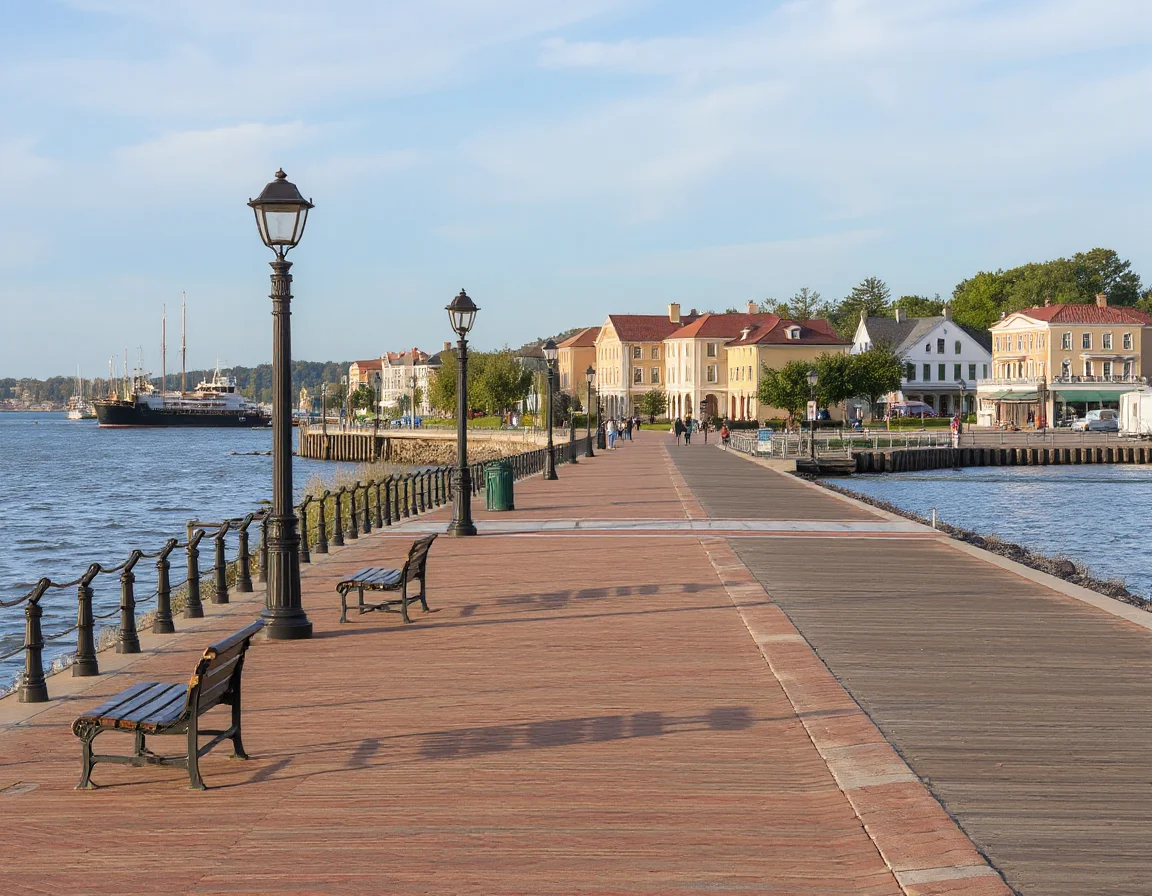
Yorktown tends to draw attention for its scenic setting, historic landmarks, and calmer, more intimate scale. A drive through town often includes views of the York River, tree-lined stretches, established homes, and destinations that feel woven into the area's long history. Daily life can feel a little more measured here, with local recreation, waterfront access, and a strong sense of place shaping the routine.
Norfolk, by contrast, offers a broader range of neighborhood environments and a more urban cadence. Depending on where you are, you might be near cultural venues, employment centers, waterfront districts, universities, or busy local corridors with frequent activity. It is the kind of city where block-by-block variety matters, and where your experience can shift significantly based on whether you prefer a historic neighborhood, a condo near the water, or a more residential pocket with easy access to major routes.
If your shortlist includes both places, map your weekly habits first: commute time, favorite outdoor activities, and how often you want walkable amenities nearby can quickly narrow the better fit.
How Housing Options Tend to Compare
One of the clearest differences between Yorktown and Norfolk is the range of housing stock. Yorktown often features detached homes on established lots, traditional architecture, and neighborhoods where the surroundings play a big role in the appeal. Buyers looking for more separation between homes, mature landscaping, or a quieter residential atmosphere often spend extra time exploring what is available there.
Norfolk offers more variety in a smaller geographic footprint. You can find everything from historic homes with architectural detail to townhomes, newer infill construction, and condos with water views or lower-maintenance ownership structures. That broader spread can be especially useful for buyers who want flexibility in layout, style, or price point. It also means that inventory comparisons need context: a condo in Norfolk and a detached home in Yorktown may support very different ownership goals.
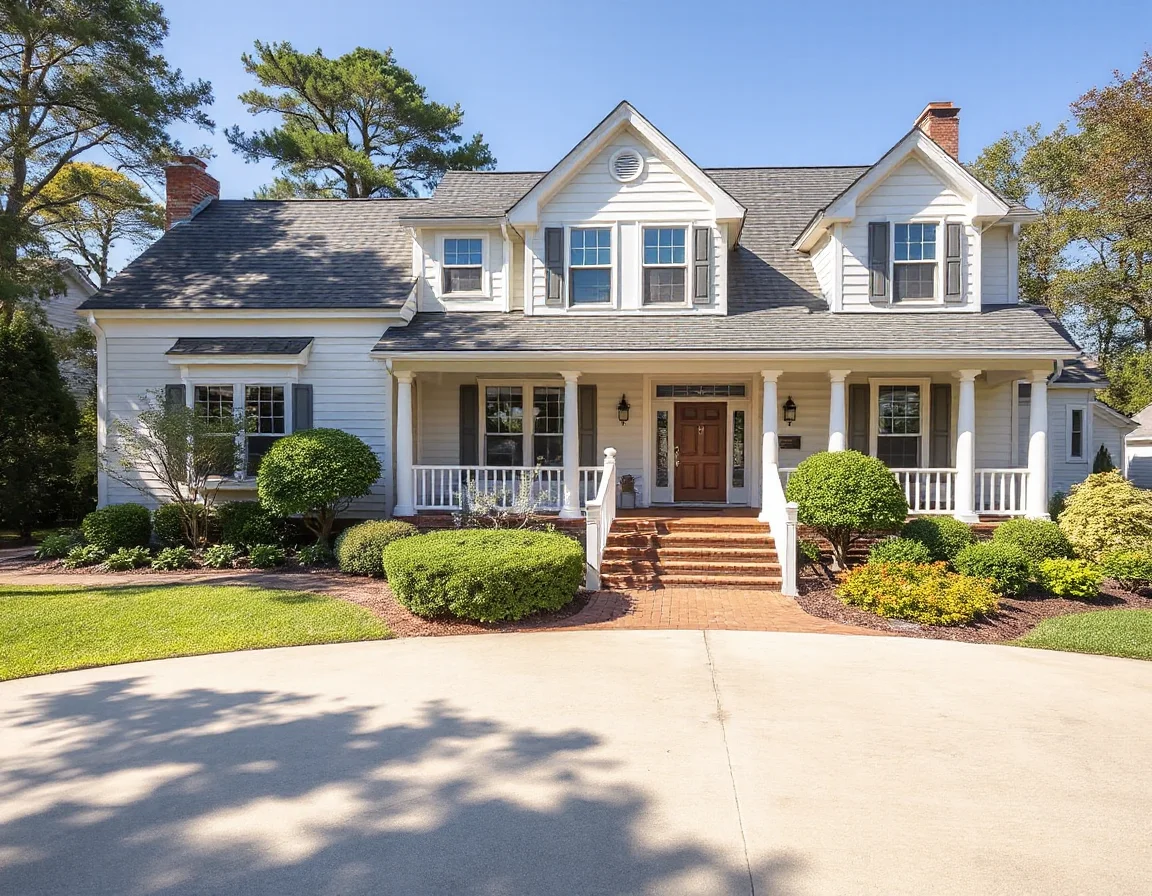
It is also worth paying attention to lot size, age of construction, and renovation history. In historic or established areas, charm often comes with unique floor plans, older materials, or updated systems that vary from property to property. In practical terms, buyers comparing these two markets benefit from looking beyond bedroom count and focusing on maintenance expectations, parking, storage, outdoor space, and how each home supports their actual routine.
For sellers, the comparison matters too. Buyers shopping across multiple Hampton Roads communities are often balancing value, convenience, and lifestyle in real time. A well-prepared listing stands out faster when it clearly communicates not just square footage, but also the daily advantages of the property’s location and design.
Amenities, Recreation, and Getting Around
Yorktown’s appeal often centers on waterfront recreation, scenic drives, historical sites, and a setting that feels closely tied to the river. For buyers who enjoy trails, open-air views, beaches along the riverfront, and a slower recreational pace, that combination can be compelling. The area’s destinations tend to feel intentional and place-based, with many outings connected to the shoreline or local history.
Norfolk brings a different kind of convenience. Residents can access museums, live performances, college sports, waterfront areas, parks, and a wider mix of dining and entertainment choices across the city. There is also a stronger sense of movement throughout the day, with major roads, employment hubs, and neighborhood business districts shaping the rhythm. If you prefer having more options within a shorter drive, Norfolk may feel more dynamic.
Commuting can become the deciding factor for many buyers. Depending on where you work or travel regularly in Hampton Roads, one location may simply reduce friction in your day. Bridge-tunnel routes, traffic timing, and cross-region access matter just as much as the home itself. A beautiful property can lose some of its shine if the travel pattern attached to it becomes frustrating after a few months.
A test drive during your real commute window can be more revealing than an open house. Compare both locations at the time you would actually be on the road.
That is why lifestyle fit should include practical movement: grocery runs, access to medical offices, weekend plans, and how often you leave your immediate area. Yorktown may feel more tucked in and scenic, while Norfolk may offer more layered convenience depending on the neighborhood you choose.
Community Feel and Neighborhood Texture
Neither market can be reduced to a single vibe, but they do create different impressions. Yorktown often feels rooted in continuity. Its historic identity, waterfront orientation, and residential patterns can create a strong sense of local character that remains visible from one part of town to another. Buyers who value consistency in atmosphere often notice that right away.

Norfolk is more layered. Some areas feel historic and architectural, others contemporary and active, and others residential with quick access to larger city amenities. That range can be a major advantage if you want to compare very different living environments without leaving the same city. It also means that working with a local guide matters. Understanding block-by-block differences can help you focus faster and avoid spending time on neighborhoods that do not match your priorities.
For buyers relocating within Hampton Roads or moving into the region for the first time, this is where local insight becomes valuable. Ashley Best Pszczola of Own Real Estate has built a strong reputation through deep community focus, more than 200 closed transactions, and a practical understanding of how different Virginia markets serve different goals. That kind of experience helps when the choice is not just between homes, but between two ways of living.
If you are still undecided, try framing the comparison in simple terms: do you want your surroundings to feel more intimate and river-oriented, or more varied and city-connected? That answer will often guide the rest of the process more effectively than scrolling through listings alone.
Talk through your Hampton Roads home search
The Better Fit Is the One That Matches Your Routine
Yorktown and Norfolk both offer strong reasons to consider a move, but they deliver those benefits differently. Yorktown leans toward scenic continuity, historic setting, and a more relaxed residential feel. Norfolk offers broader housing variety, urban energy, and more layers of convenience depending on the neighborhood. Neither choice is universal, and that is exactly why the comparison matters.
The best move is usually the one that aligns with how you actually live: how far you drive, what kind of home maintenance you want, how often you go out, and what kind of surroundings help you feel at home. When you compare the two through that lens, the answer often becomes much clearer. And once it does, your search can shift from “Which city?” to “Which property fits me best?”